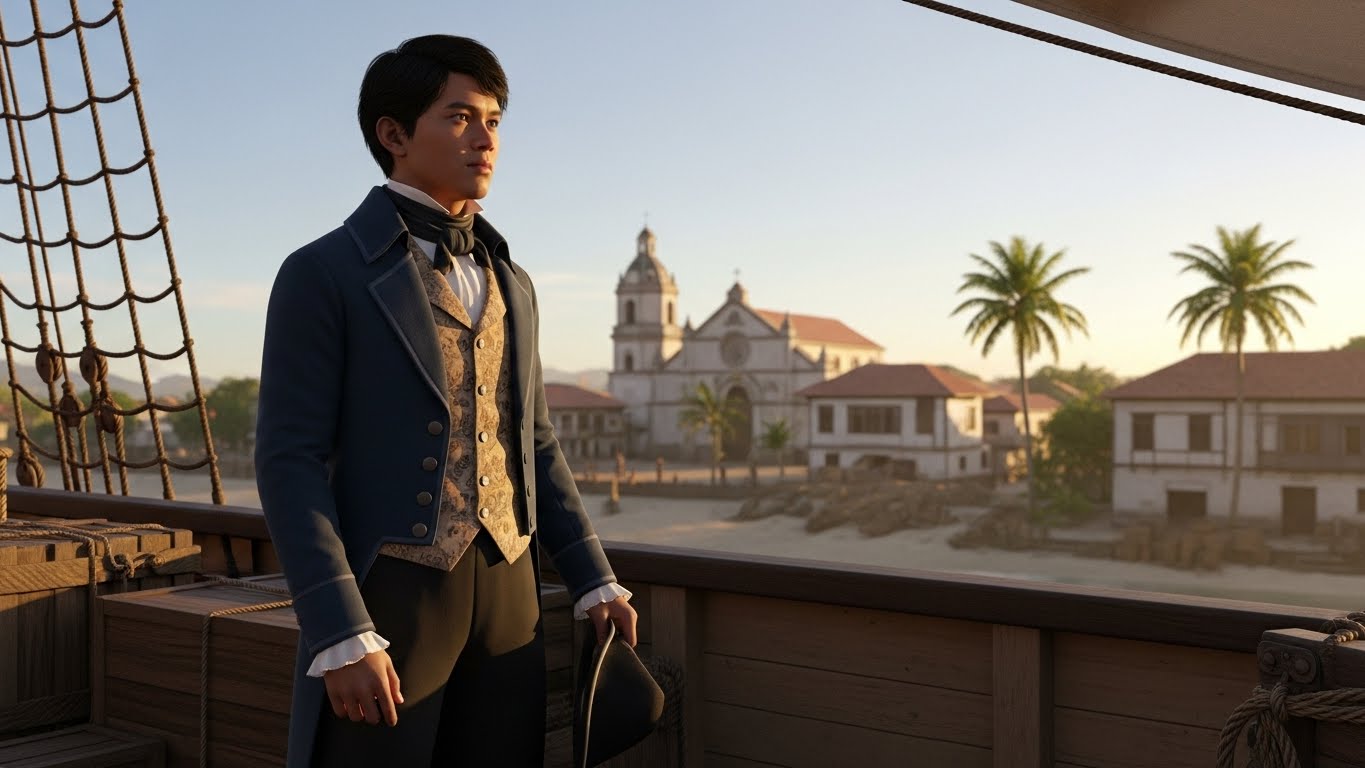
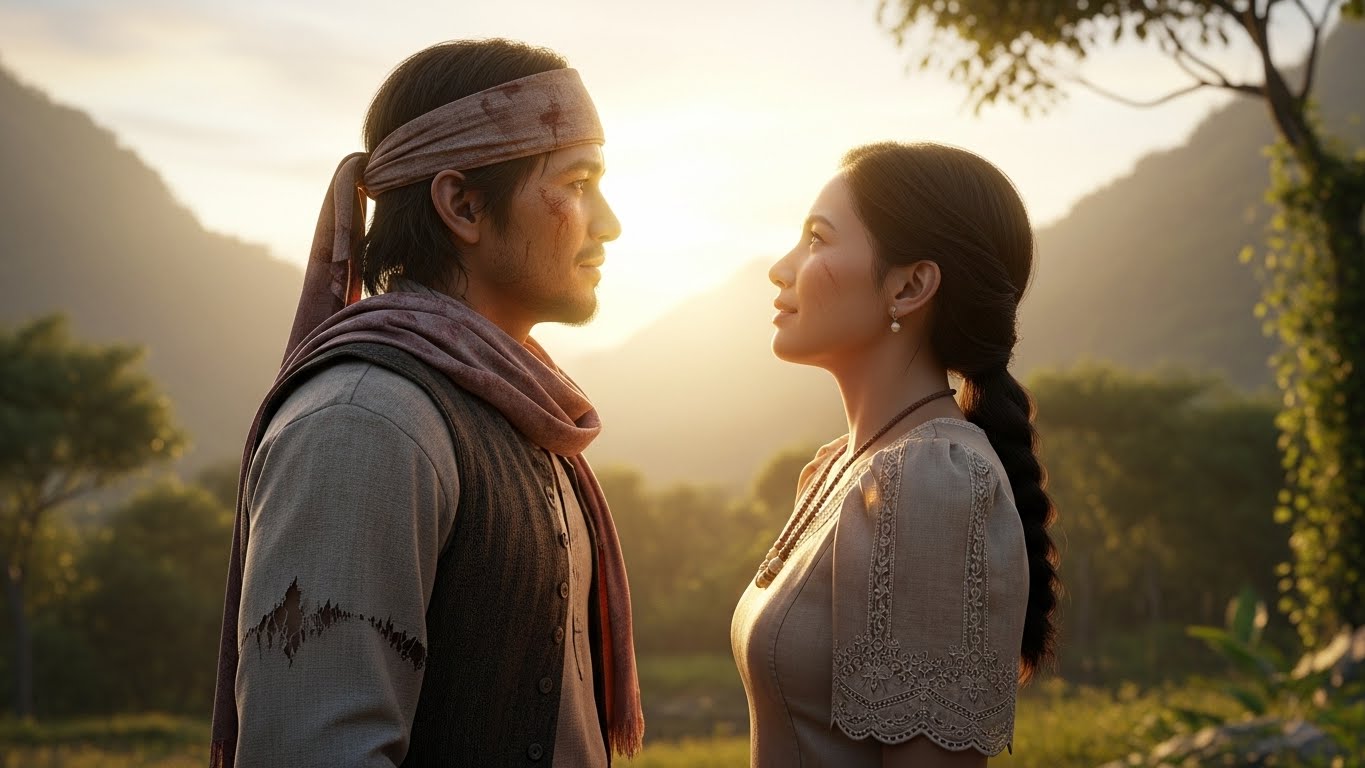
Philippine literature genres are an expression of a lot of different ways to articulate ideas, feelings, and cultural identity by Filipinos. Literature in the Philippines evolved in various periods in history hence different literary forms and styles. All the genres play their own roles in terms of portraying the Filipino life, beliefs, and experiences.
Genres are used in the organization of literary expression in poetry and prose, drama and contemporary digital writing. They enable authors to convey messages in a clear and creative way. Philippine literature is a blend of native culture and the foreign influences. This mixture formed rich and various literary genres.
Poetry as a Literary Genre
One of the oldest genres of Philippine literature is poetry. It was also pre-colonial in terms of oral traditions. In most cases poems reflect cultural beliefs, emotional values and beliefs. The Filipinos use rhythm in poetry and imagery. Poetry in the colonial times was used to express religion and opposition.
Contemporary poetry is personal and socially-oriented. The Filipino poets compose using English, Filipino and regional languages. Poetry gives the opportunity of expressing things in a brief and strong manner. New forms and voices are still coming in this genre. The literature of the Philippines is still dominated by poetry.
Philippine Literature Prose
Prose is a significant genre which encompasses stories, essays as well as novels. Education and printing were what made it popular during the colonial periods. In prose, it is possible to tell a story and develop characters in detail. Prose is the method used by Filipino writers to narrate about social realities and the past.
The popularity of the short story is due to their simplicity and richness. Essays are the expression of ideas and views about society and culture. Complex themes and lengthy stories are dealt with in novels. Essays capture the life of ordinary Filipinos. This genre aids in the continuation of the generations.
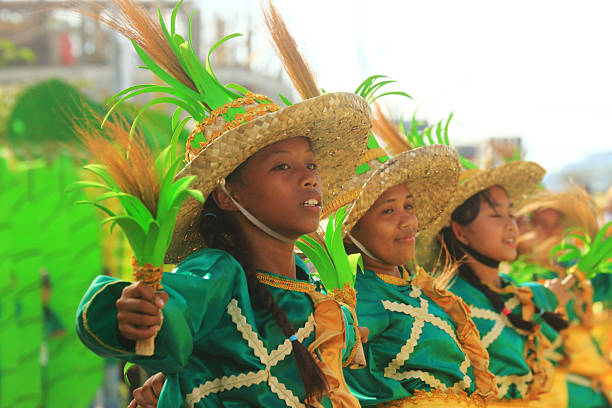
Performance Literature and Drama
Drama is a genre meant to be performed and taken by the audience. Philippine drama started with religious dramas in the colonial era. It also became realistic and socially conscious performances. Moral lessons and community values are often represented in plays. The work of drama makes literature alive by using dialogue and action.
It is staged in learning institutions, theaters and festivals. The contemporary drama is concerned with political and social issues. Filipino playwrights resort to the use of drama to challenge the audience. This is a genre that is a mixture of narration and visuality. The use of drama enhances the effect of literature by performing.
Oral Traditions and Folk Literature
A genre in Philippine literature that has been basic is folk literature. It contains myths, legends , epics and folktales. These were orally transmitted genetically. Folk literature describes the phenomena of nature and beliefs of a culture. It embodies such values as unity and respect for bravery.
History was maintained by indigenous people through story telling. Even folk literature affects modern works even today. Authors transform classical tales. This genre has literature attached to its culture. Folk literature preserves heritage.
There are folk literature in the following forms:
- Natural events and cultural beliefs that are explained by myths.
- Stories of creation of locations and heroism.
- Epics glorifying the community of the people of courage and their ancestors.
- Folktales impart moral lessons based on simple stories.
These vehicles save Filipino traditions and identity.
Essay as a Type of Genre of the Intellect
Essays genres are an idea reflection argumentation genre. Essays emerged during the American era. Essays were used by Filipino writers in discussing politics , education and culture. Essays can either be personal or analytical. They enable authors to have a clear opinion. Most of the essays are found in newspapers and scholarly literature.
Essays are used to influence masses. This genre contributes to intellectual growth. It is still pertinent in contemporary Philippine literature.
Modern and Experimental Contemporary
New and experimental genres are part of contemporary Philippine literature. Authors experiment with creative nonfiction graphic narratives and spoken word poetry. Online literature becomes possible through the internet. These styles are the styles of contemporary communication. Authors are working with form and structure.
Modern genres are dealing with the identity and technology of the city. They appeal to younger audiences and other voices. Literature is more engaging and easy to reach. This is an expansion of genres which demonstrates literary development. Philippine literature is dynamic due to innovation.
The modern popular genres are:
- Protest and identity emotion in spoken word poetry.
- Nonfiction that is creative and incorporates fiction as writing.
- Online literature distributed via weblogs and online.
- Combinations of visual art and writing.
These genres are the present Filipino ingenuity.
Genre Blending in literature of the Philippines
Philippine literature is characterized by genre blending. Poetry, prose and drama are blended together by writers. This method gives flexibility and freedom of creativity. Genre blending is an indication of Filipino storytelling. Authors manipulate forms to conform to messages and themes.
Contemporary works are not always easy to classify. This mixing adds to the literary expression. It also breaks the conservative genre lines. Filipino literature accepts hybridity. Genre blending gives evidence to cultural diversity.
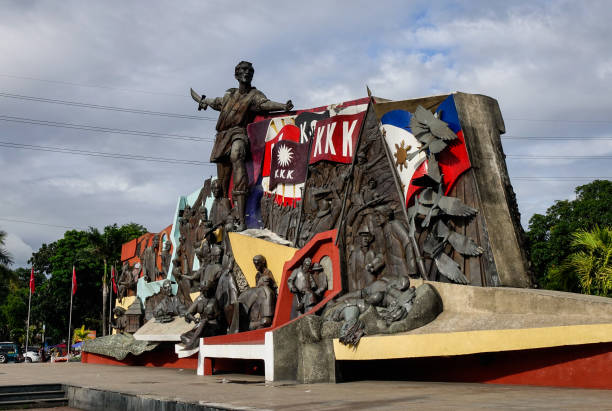
The Use of Genres in Cultural Identity
Filipino identity is significantly expressed in genres. Both genres focus on various aspects of the culture and history. Folk literature is a heritage of wisdom. Poetry is emotional and protesting. Prose makes tangible social reality. Theatrics enhance society. The present genres are a reflection of modern life.
All these genres form a whole literary image. They assist the Filipinos in knowing themselves and others. Literature turns out to be a reflection of society. Genres aid in cultural continuation and development.
Literary Genre Educational Significance
The learning of genres in Philippine literature has both academic and cultural benefits to the students. Literary analysis is divided into genres. Learners are taught various styles and techniques of writing. Reading comprehension is enhanced by studying the genre. It promotes the appreciation of diversity in culture.
Genres make literature easy to comprehend. Students relate the texts to history. Critical thinking skills are acquired through learning genres. Genres are used in education to impart values and identity. This is the knowledge that reinforces literary knowledge.
Conclusion
Philippine literature has a variety of genres that depict how rich and diverse Filipino can be. Both genres are used in different storytelling and in the preservation of the culture. Folk literature, poetry, prose drama, and values are reflected. Modern realities are covered in essays and modern genres.
Blends in genres are innovative and flexible. Collectively these genres form national identity and literary tradition. Learning the genres enables students to value the literary depth. These forms of writing are still evolving in Philippine literature. The genres make sure that the Filipino voices are not weak and insignificant.
Discover the roots, voices, and living soul of Filipino identity by exploring more in-depth lessons and articles on Philippine literature at lapisatpapel.com
Author Profile

Latest entries
 Maikling KwentoJanuary 14, 2026Character Analysis of Noli Me Tangere: Ibarra, Maria Clara, and the Antagonists
- EpikoJanuary 13, 2026Character Analysis of Florante at Laura: Heroes, Villains, and Moral Lessons
- BlogJanuary 13, 2026Short Stories in Philippine Literature Explained
- BlogJanuary 11, 2026Poetry in Philippine Literature: Forms and Examples