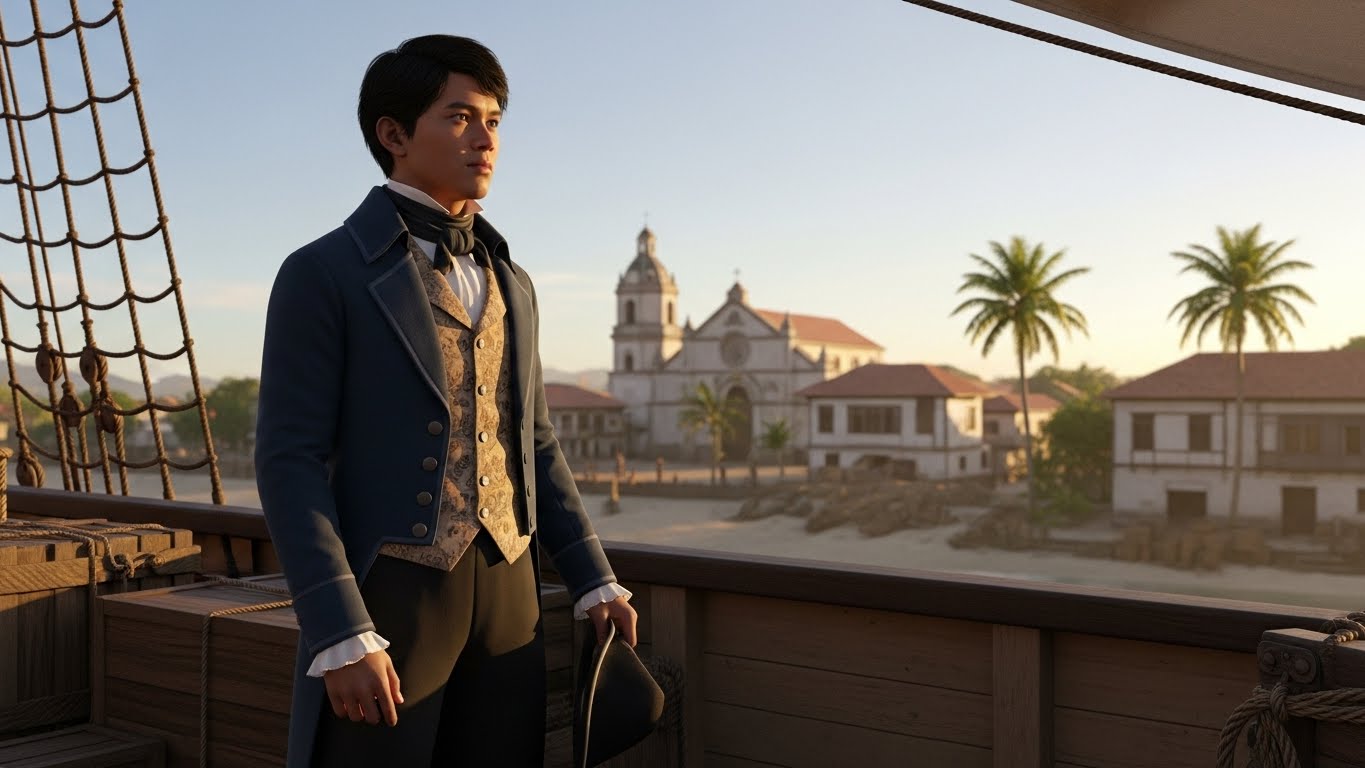
The evolution of Philippine literature went hand in hand with history and the culture change of the country. It is a mirror of the reaction of the Filipinos to change, struggle, and foreign influence over the centuries. Literature changed together with society from oral storytelling up to the present written works.
Every historical era influenced subject and style and intention. The experiences of the people are captured in terms of literature in the Philippines. It conserves memory and identity. Its historical evolution makes the students value the fact that literature is the way it appears nowadays. Literature was not developed in seclusion.
The colonization, education, and social movements affected it. Literature was used by writers to release resistance, faith and hope. This paper describes the history of Philippine literature. It follows historical eras and changes. By studying this development, students can relate the literary works to historical context in an easy and meaningful way.
Pre Colonial Period The Pre Colonial Period of Philippine Literature
Philippine literature started in the pre-colonial period. Literature was in oral form. Introductory Filipinos told their stories orally. Nature and life were explained in these stories. Older people imparted their knowledge to the younger generations. The oral literature bound communities together. Acting was included in everyday life.
Since rituals and gatherings were held, stories were told. Value and morals were taught in literature. Creativity was based on voice and memory. Writing was not yet present. Oral tradition was the major expression. The beliefs and customs were mirrored in literature. This was a fruitful creative time. Early literature in the pre colonial era was the basis of subsequent literature.
Typical styles of this time were:
- Myths of nature, spirits of creation and creation of the world.
- Myths of heroic characters locate and ethnic origins.
- Epics hailing courage, leadership , fidelity and righteousness.
- Labor is a folk song that is a statement of feelings and everyday life.
- Wisdom as the proverb teaches respects discipline and the community.
The early Filipino literary identity was formed through these forms.
Spanish Colonial Period
Philippine literature was altered under the Spanish colonial era. Writing became more common. The Roman alphabet was introduced by the Spanish missionaries. Religion Literature. Early works were full of religious writings. Christianity was propagated through literature. Texts were distributed with the aid of printing presses.
Plays and poems were in the vogue. The majority of the works were authored in Spanish. There was a restricted use of Filipino voices. But gradually literature was mirroring experience locally. Texts were modified by foreign forms. Religious plays were played on the stage. There was literature that was representative of colonialism. Meanwhile, it was able to sustain the cultural expression. This was the era of oral to written literature.
Propaganda Movement and Revolutionary Literature
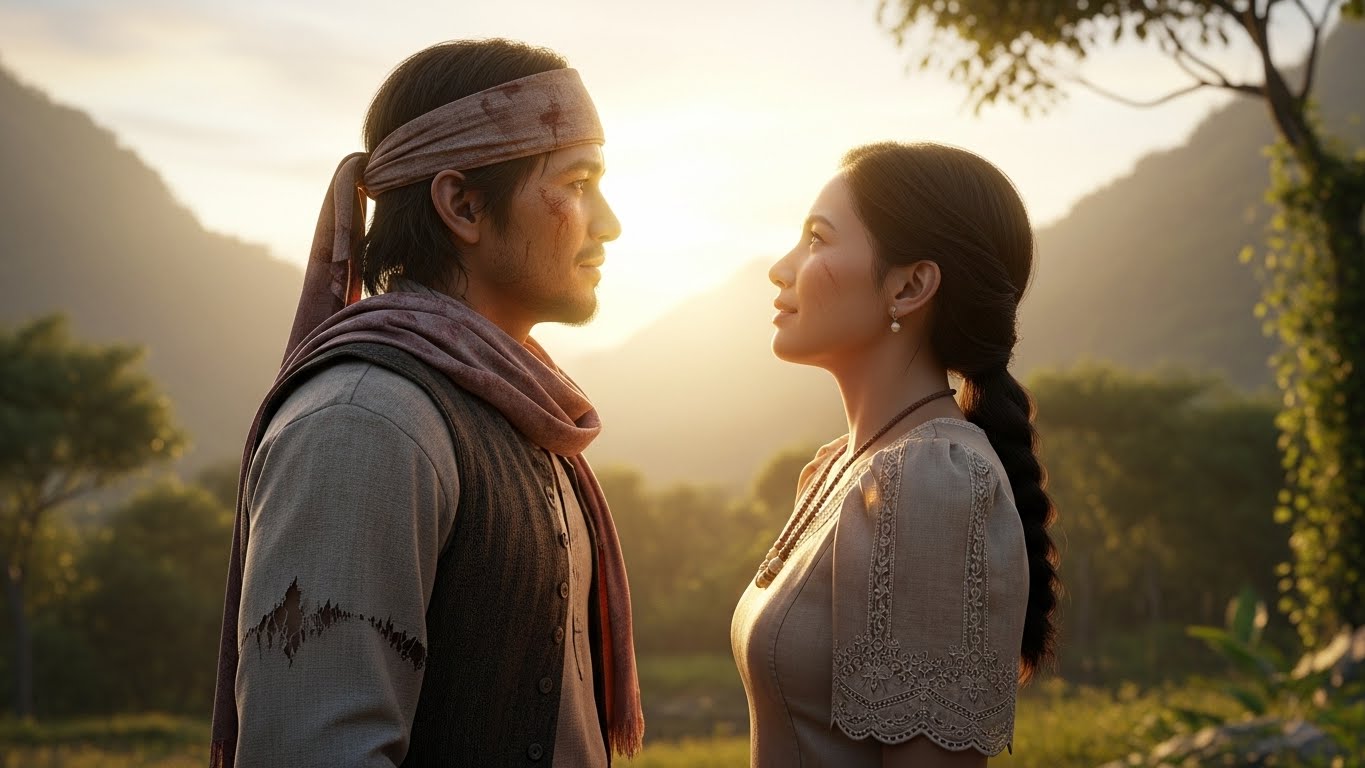
Revolutionary literature emerged during the late period of the Spaniards. Literature was used by Filipino writers as a sign of opposition. The Propaganda Movement was formed. Writers demanded reforms. The literature was politicized. Novels and essays condemned the colonialism. Authors stirred and roused national awareness. Literature inspired unity.
After the revolutionary themes grew strong. Patriotism was portrayed by writers. Independence was promoted in literature. Literature was exhibited as a weapon during this period. The Filipino identity was highlighted. Authors were concerned with injustice. Both literatures were about struggle and hope. It is an age that linked literature to nationalism.
The essential features of this period are:
- Literature to sell nationalism and reform.
- Opposition to colonial oppression and society.
- Wakening of Filipino national consciousness with writing.
- The stress on national identity, freedom and independence.
- Political resistance through literature.
It was during this era that literature was strengthened in nation building.
American Colonial Period
New changes were brought about in the American period. English became widely used. Education spread all over the country. There was also a great increase in literacy. New literary forms appeared. There was popularization of short stories and essays. Writers explored realism. Daily life was reflected in literature. Topics were freedom and identity.
Authors developed the freedom of creativity. Writers were supported by publications. Literature was spread to broader audiences. Modern styles were acquired by Filipino writers. Literature was diversified. The fact that English was used permitted connections across the globe. This era influenced modern Philippine literature a lot.
Japanese Occupation Period
The occupation of the Japanese had an impact on literature. There was a restriction of freedom of expression. Writers faced censorship. Poverty and misery were mirrored in literature. Authors were selective in the use of symbolism. Themes focused on survival. Patriotism was indirectly manifested. The Filipino language was encouraged.
Unity was promoted in literature. Short poems became common. Authors did not want to be outspoken. There was strength in literature. Although there were limitations, there continued to be creativity. Literature was turned to as a source of hope. This era was resilient in oppression.
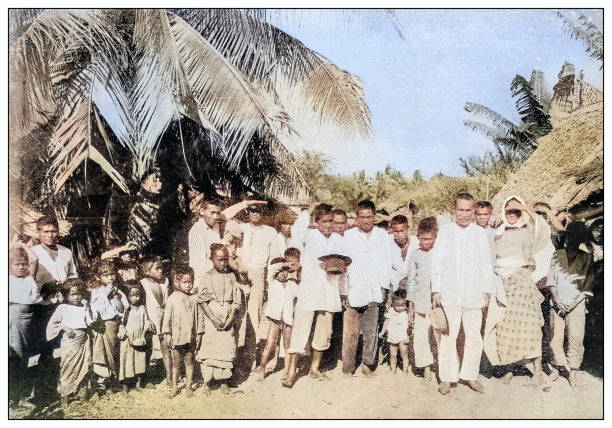
Post War and Contemporary Period
Philippine literature grew fast after gaining independence. Writers explored new themes. Social problems took the centre stage. Literature was a symbol of reconstruction and revolution. They were both Filipino and English. Local literature was a recognized one. Authors dealt with poverty and inequality. Literature was diversified.
Modern forms appeared. Digital literature emerged. Authors played around with style. Youth voices increased. Globalization was reflected in literature. Modern literature talks about identity and technology. Literature is an ever-evolving phenomenon.
The Significance of the Study of Historical Development of Literature
Knowledge of historical development is significant to students. It relates literature with history. Students are able to observe the reason behind the existence of themes. Literature gains some significance. The analysis is helped by historical context. Students know the intent of the author. Social change is reflected in literature. Learning becomes deeper.
Students admire cultural development. Language decisions can be explained by history. Literature studies are made more understandable. The awareness of history enhances interpretation. The students relate to the past and the present. Literature is turned into a learning device. Development enhances appreciation of literature.
Conclusion
The history of Philippine literature indicates its development with the national history. It started with oral traditions based on community life. Writing and religion were brought by the colonization of the Spanish. The nationalism was inspired by revolutionary literature. American education modernized the literature. The occupation of Japan was a test of strength.
Freedom and diversity were manifested in post war literature. Themes and language were shaped in each period. The development of Philippine literature goes on. Development of it assists students to read intelligently. Literature is still an image of Filipino identity. It is an artistic way of keeping history. Philippine literature can be described as the chronicle of the struggle of persistence and ingenuity.
Discover the roots, voices, and living soul of Filipino identity by exploring more in-depth lessons and articles on Philippine literature at lapisatpapel.com
Author Profile

Latest entries
 Maikling KwentoJanuary 14, 2026Character Analysis of Noli Me Tangere: Ibarra, Maria Clara, and the Antagonists
- EpikoJanuary 13, 2026Character Analysis of Florante at Laura: Heroes, Villains, and Moral Lessons
- BlogJanuary 13, 2026Short Stories in Philippine Literature Explained
- BlogJanuary 11, 2026Poetry in Philippine Literature: Forms and Examples