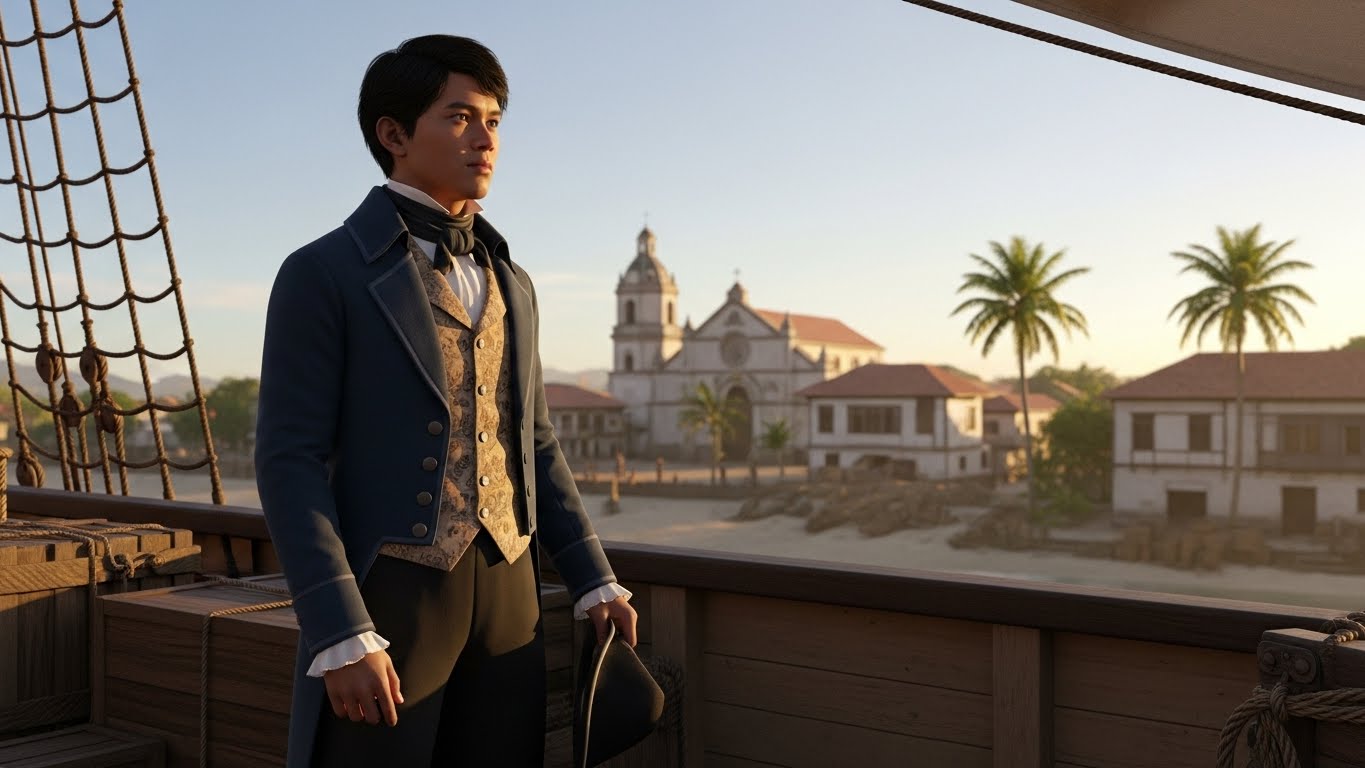
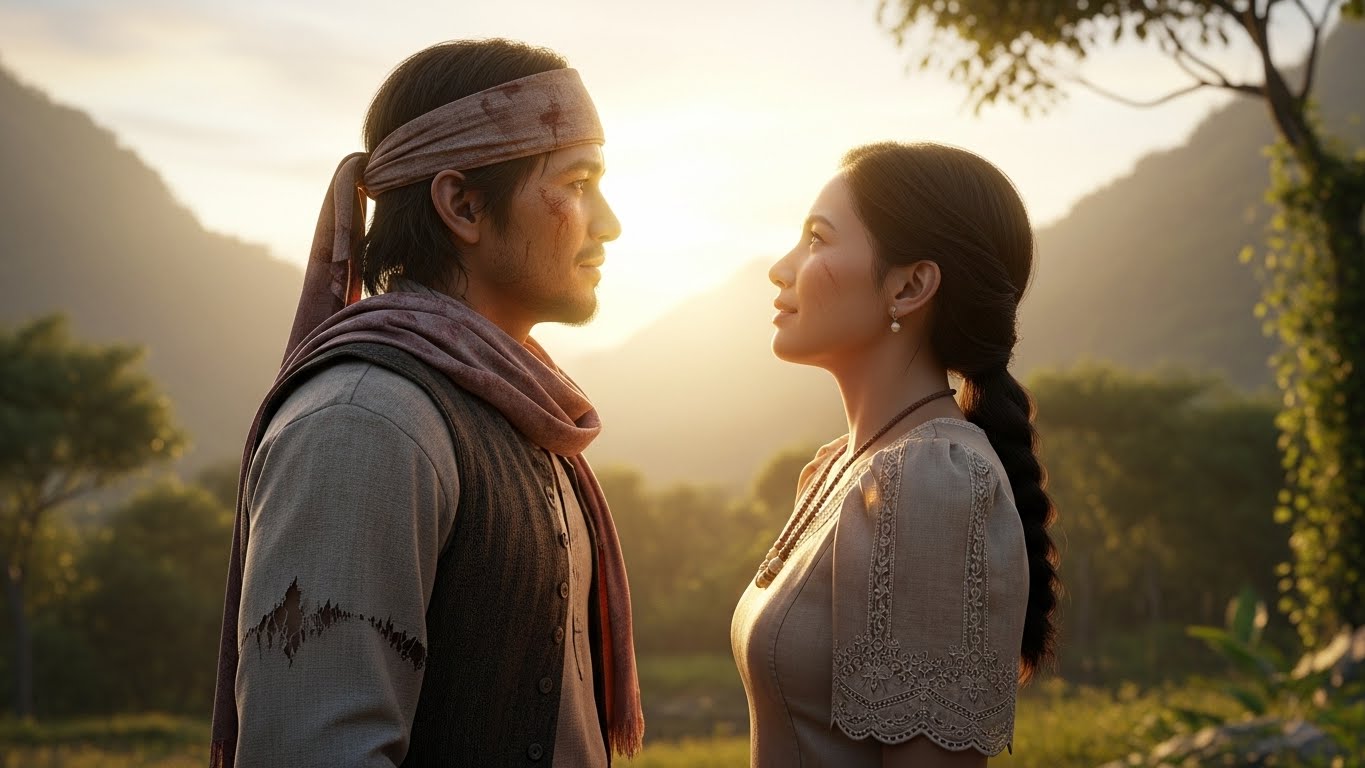
The culture of the Philippine literature on the Japanese Occupation is a time of suffering, trepidation and endurance. The period started in 1942 when the Philippines was invaded by Japanese forces during World War Two. The freedom of expression was severely limited and all the writing was tightly censored.
The Japanese discouraged English and brought up local languages. Limited resources and always existing danger made literature shorter, simpler, and more direct. Literature was the survival, silent protest and expression of emotions of writers. Although conditions were extremely unfavorable, Filipino creativity did not fade.
It instead modified itself into national misery and the wartime realities. This era demonstrates the endurance of literature even in the times of oppression and war.
Japanese Occupation: History
The final stage of the Japanese Occupation began when the American powers in the Philippines were vanquished. Japan needed to rule Southeast Asia and weaken the impact of the West. The Philippines joined the More prominent East Asia Co Thriving Circle of Japan. There was suppression of civil liberties and the military rule prevailed in day to day life.
Filipino experiences were influenced by fear, hunger, and uncertainty. A good deal of schools were closed or also under Japanese supervision. War conditions led to the scarcity of publishing materials. Japanese authorities were stringent with literature. This historical situation is the reason why the Philippine literature of this era was restrained, symbolic, and highly emotional.
Shifting of Language in Literature
The deterioration of the English language in literature was one of the significant developments in the Japanese Occupation. Japanese censored English magazines and encouraged the use of Filipino languages. The Tagalog language emerged as the most popular language used in literature. This policy gave the literature of native languages an unwanted boost.
Authors went back to the local uses and to the local culture. There was increased access to literature to ordinary citizens. Teaching of Japanese language was established though it was not a crop in literary production. Filipino authors wrote in their native languages in order to retain their identity. This change of language was very instrumental in the modern Filipino literature.
Using the Theme as a Reflection of the War Time Literature
The Japanese Occupation in literature was concerned with the realities of war. Simple but strong language was used to describe fear loss and sufferings by writers. The homeland love and patriotism became very powerful. Despair and hope were demonstrated in many works that testified to survival. Censorship had to be evaded through symbolism.
The authors did not say outright about the occupiers. Rather, nature and allegory were employed to convey emotions. Literature was used as an emotional reprieve by the writer as well as the reader. The themes represented the Filipino pain.
Representative Literary Trends of the Time
Long literary works were limited because the resources were a scarce commodity and they were tightly controlled. Authors concentrated on brief writings that were simpler to create and disseminate. Short stories and poetry became the most widespread ones. Such forms enabled authors to convey profound meaning with minimum words.
During this period, plays and novels were rarely common. Share of oral literature was also significant in story telling. Literature centred on simplicity of clarity and emotional levels.
The literary forms of the time were:
- Short stories depicting everyday hardships in life in war times.
- Sad poems with hopes and unspoken protest.
- Essays with moral values and national identity.
- Symbolic texts that do not face political confrontation point-bluntly.
These shapes were creative even with rigid restrictions.

Purpose of Censorship and Control
The Japanese Occupation of the Philippines is one of the strongest censorship influences on Philippine literature. Any publications had to be approved by the Japanese authorities. Authors had to evade any political critique and anti Japanese ideologies. Numerous newspapers were shut or censored.
There was the fear of being punished and this restricted freedom of expression. Writers were taught to speak in a roundabout manner with the use of symbolism. Allegorical tales were very popular during this period. Even though control literature was still relevant. This era shows the capability of creativity to endure even extreme stifling.
Tagalog Literature Has Made Its Contribution
The Tagalog literary position was reinforced by the encouragement of Tagalog during the Japanese Occupation. Authors created poems and fiction using Tagalog and appealed to readers. Literature was more authentic as it portrayed Filipino feelings. Authors linked the language to the national identity. The era served to develop Tagalog as a literary language. Numerous post war literature was influenced by a wide range of works written at the time. The native language usage promoted cultural pride. This contribution is still one of the most significant effects of the Japanese era.
Notable works of Tagalog literature were:
- Enhancing the feeling of nationality by using national language.
- Enabling Filipinos to read literature.
- Maintaining cultural values when they are occupied by other cultures.
- Post war Filipino literary movements were inspired.
This influenced the future literature development.
As Literature is a Silent Resistance
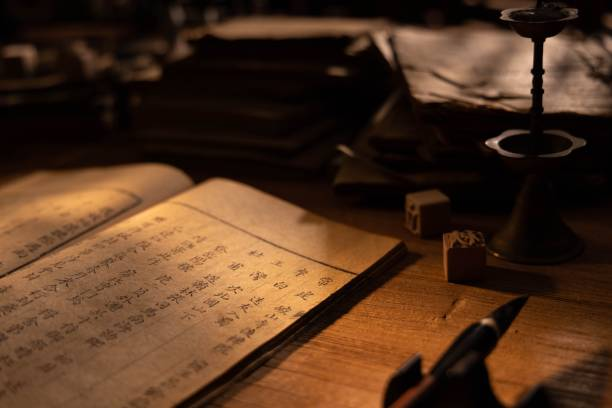
This was the case because even though it was dangerous literature, it was considered as a subtle opposition. Authors were applying metaphors to show that they were desiring freedom. Imagery of nature was the image of peace and hope. Filipino struggle was usually portrayed through characters. Literature provided emotional power to people in the dark ages. The reading and writing turned into courageous acts. Authors conveyed the truth by use of creativity. This non-resistance preserved the spirit of the nation. Literature was turned into a non-violent weapon.
Life After the Japanese Occupation
The arrival of Japanese rule was the beginning of the new era of Philippine literature. Authors considered the war experiences and trauma. Slowly freedom of expression came back. The American return led to the regaining of influence by English literature. Nevertheless Tagalog literature continued to be powerful.
The theme of realism and nationalism was affected by the wartime period. Authors brought the message of endurance into the post war works. Literature was more socially conscious. This shift led the writing of the war to contemporary Philippine literature.
Conclusion
The literature of the Japanese Occupation in the Philippines shows how Filipinos could be creative even when oppressed. With fear of censorship and scanty resources writers still found the way to tell the truth and feel. The use of native languages empowered the sense of culture and accessibility. Small-sized literary works enabled a strong expression in the case of a difficult wartime. National experience was manifested in the themes of suffering, hope and patriotism.
Literature was resistance and survival, which was silent and emotional. This era made a historical mark in Philippine literature. The knowledge about this time can make students understand the importance of literature in maintaining the identity under crisis.
Discover the roots, voices, and living soul of Filipino identity by exploring more in-depth lessons and articles on Philippine literature at lapisatpapel.com
Author Profile

Latest entries
 Maikling KwentoJanuary 14, 2026Character Analysis of Noli Me Tangere: Ibarra, Maria Clara, and the Antagonists
- EpikoJanuary 13, 2026Character Analysis of Florante at Laura: Heroes, Villains, and Moral Lessons
- BlogJanuary 13, 2026Short Stories in Philippine Literature Explained
- BlogJanuary 11, 2026Poetry in Philippine Literature: Forms and Examples