The contemporary period of Philippine literature is the mirror of the Filipino modern society realities, struggles and dreams. This era started after World War Two and is now running until the current time. Authors were now able to be more expressive as the nation was heading towards independence and democracy.
There was a variety of literature in terms of language, style and content. The Filipino authors were trying to find their identity, social matters and universal impact on it. Literary production and distribution were also influenced by the emergence of technology and the media. Modern literature is the voice of a nation in transition.
It follows ordinary existence, politics and cultural pride. This understanding of this period will allow the students to relate the literature to the current facts and realities and the contemporary experience of the Filipinos.
Historical Context of the Modern Age
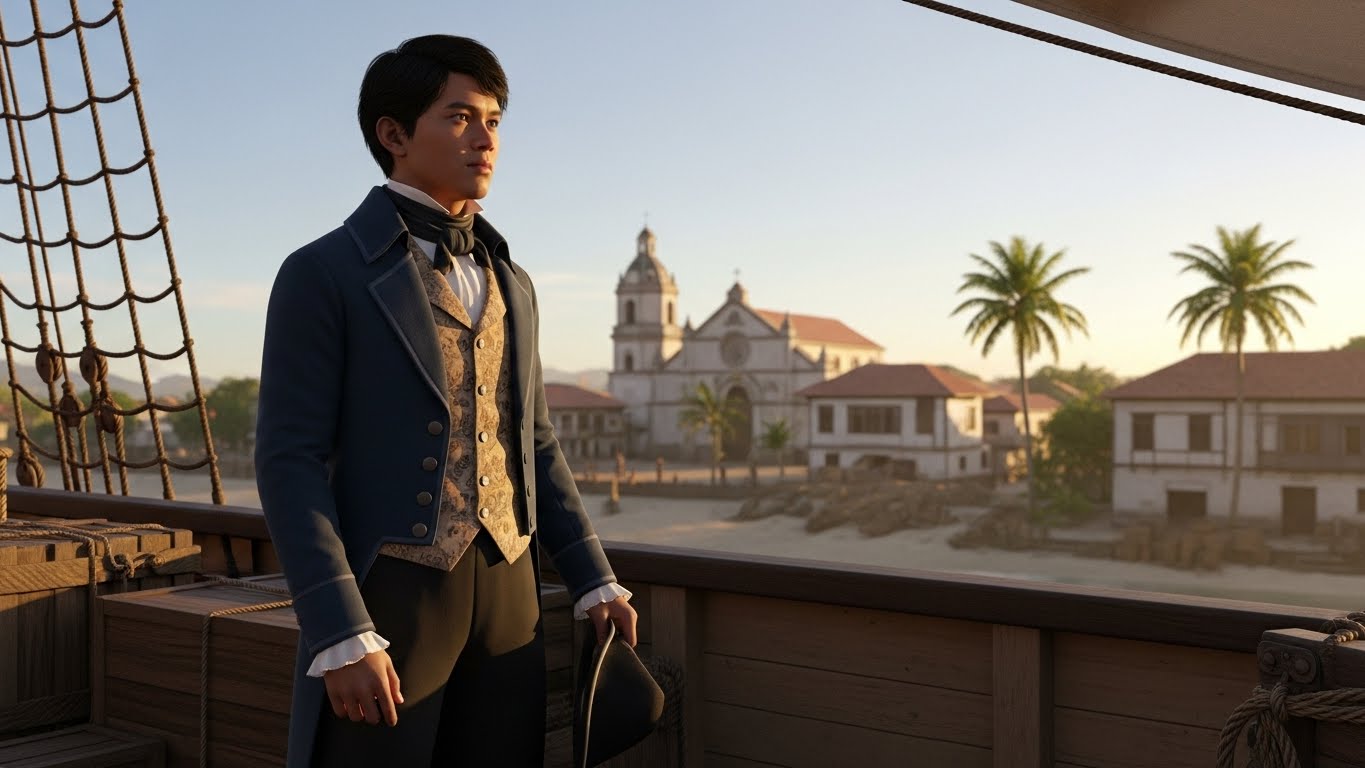
The modern era emerged following the independence of the Philippines in 1946. The country was stricken with war reconstruction, political and social inequality. The reaction to such circumstances was given by writers with realistic and critical works. The literary subjects and expressions were also affected by martial law in the 1970s.
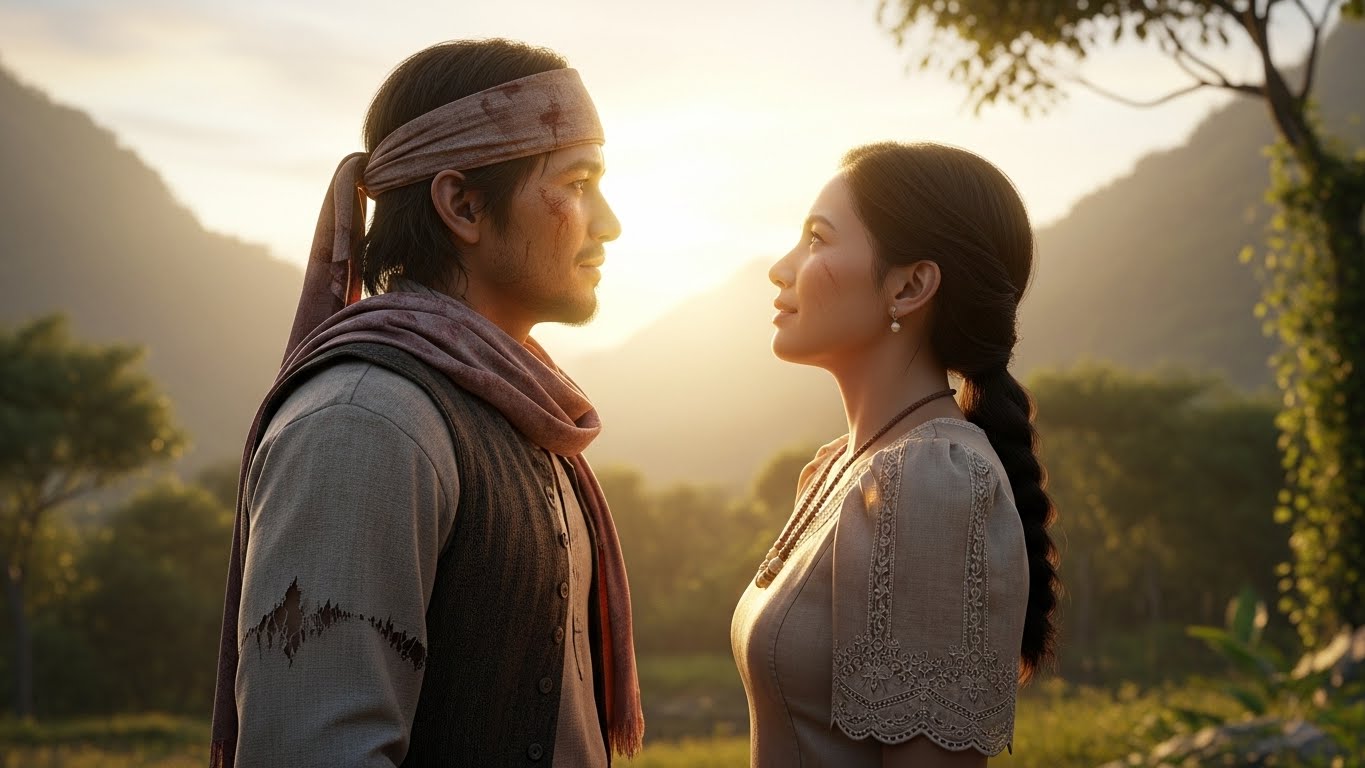
The protest and awareness were expressed through literature. The freedom of speech was extended once more after democracy was restored. Authors dealt with the problems of corruption, migration, and identity. The adventurous and eclectic quality of modern Philippine literature was conditioned by this historical context.
Contemporary Literature: Languages
A characterizing characteristic of present day Philippine writing is that it is multilingual. Creators pass on thoughts through English, Filipino, and the nearby dialects. The English language makes Filipino literature known to the rest of the world. The Filipino language permits more cultural and emotional expression.
Local identity and traditions are maintained over regional languages. The code switching is also used in numerous contemporary works. This linguistic heterogeneity is an everyday communication of the Filipinos. Authors are at liberty to select words, according to intentions and readers. This flexibility is glorified in contemporary literature. Language is made an identity and creative.
Key Subjects in Modern Literature
Philippine literature of the contemporary era deals with a broad assortment of themes that pertain to contemporary life. Authors dwell on social injustice and political vices. The immigration and foreign employment seem to be common. The main issues are identity and belonging. Issues of gender equality and human rights are discussed freely.
Authors contemplate on technology and on city life. There is hope and frustration in the society that is reflected in literature. These are the themes that assist the readers to comprehend the present-day Filipino experiences. Modern literature is provoking and socially conscious.
Popular Literary Forms and Genres
Philippine literature has traditional and experimental literature. Authors experiment with the methods of narrating. Poems and short stories are also still in demand. Complex social realities are addressed in novels.
There is also creative nonfiction which has gained recognition. Performance and spoken word poetry appeal to the youth. Electronic systems affect the distribution of literature. Literature is no longer restricted to printed books.
Typical literary genres during the contemporary period are:
- Social realities of modern Filipino society described in short stories.
- Poetry of personal and political feelings with the use of a free verse.
- Historical memory and novels of national identity.
- Nonfiction that is creative and a mixture of facts and literary style.
Such forms demonstrate the adaptability of contemporary literary expression.

Media and Technology Influence
The contemporary period has seen a change in Philippine literature due to technology. Authors use social media and blogs to publish works. Online magazines empower the upcoming voices. Literature is available to all people globally through digital mediums. Readers have direct engagement with writers.
Technology reduces the gap between the producer and the consumer. Literature is flexible to quickly changing styles of communication. There is also multimedia storytelling. All things considered, in showing disdain toward this move, the quality of writing is still critical. Innovation is broadening the affect and reach of writing.
The place of Literature in Social Perception
Philippine writing is significant in creating social awareness. Authors deal with injustice in poverty and power exploitation. Literature speaks to the marginalized groups. Social problems are humanized by stories. The poetry is protest and therapy. Authors contend with prevailing discourses. Literature promotes sympathy and compassion. It provokes discussion and thought. This position makes literature relevant in society.
Important social functions of modern literature are:
- Raising social issues through natural narrative.
- Providing a platform to the oppressed and oppressed communities.
- Training young Filipinos to think critically.
- Cultural pride and national awareness.
These roles help bring out the other roles of literature except entertainment.

Breakthrough of New Writers and Voices
A lot of new Filipino writers have emerged during the modern era. Youthful writers come with new prospects and fashions. Female writers get better representation. Local authors are given more appreciation. Literary material becomes rich with different backgrounds. Authors discuss the national matters and the individual story.
Talents are developed by literary workshops and competitions. This variety empowers Philippine literature. The new voices guarantee its further development and topicality.
Modern Philippine literature has been affected by globalization. Authors are exposed to the world trends in literature. Filipino writers are found in international literary festivals. Global influence writers have local identity. Literature is a balance between universal themes and Filipino values.
Narratives embrace experiences worldwide, as well as local experiences. This harmony enables cultural interaction without forfeiting of roots. In modern literature, Filipino is at the centre of the writing. Literature is a source of intercultural communication.
Conclusion
The contemporary period in Philippine literature can be considered as the voice of the Filipino people in the changing times. It reflects contemporary realities with a variety of forms and themes of languages. Authors are sincere and imaginative in their writing on social issues, identity and global influence. The technology widens the scope of literature and reading. Literature is still a means of consciousness and outspokenness.
Emerging authors guarantee constant development and change. The modern world of literature links the past battles to the current expectations. Knowledge of this era can make students understand the importance of literature in the modern world. It reveals the way in which Filipino stories are still used to construct national and cultural identity.
Discover the roots, voices, and living soul of Filipino identity by exploring more in-depth lessons and articles on Philippine literature at lapisatpapel.com
Author Profile

Latest entries
 Maikling KwentoJanuary 14, 2026Character Analysis of Noli Me Tangere: Ibarra, Maria Clara, and the Antagonists
- EpikoJanuary 13, 2026Character Analysis of Florante at Laura: Heroes, Villains, and Moral Lessons
- BlogJanuary 13, 2026Short Stories in Philippine Literature Explained
- BlogJanuary 11, 2026Poetry in Philippine Literature: Forms and Examples