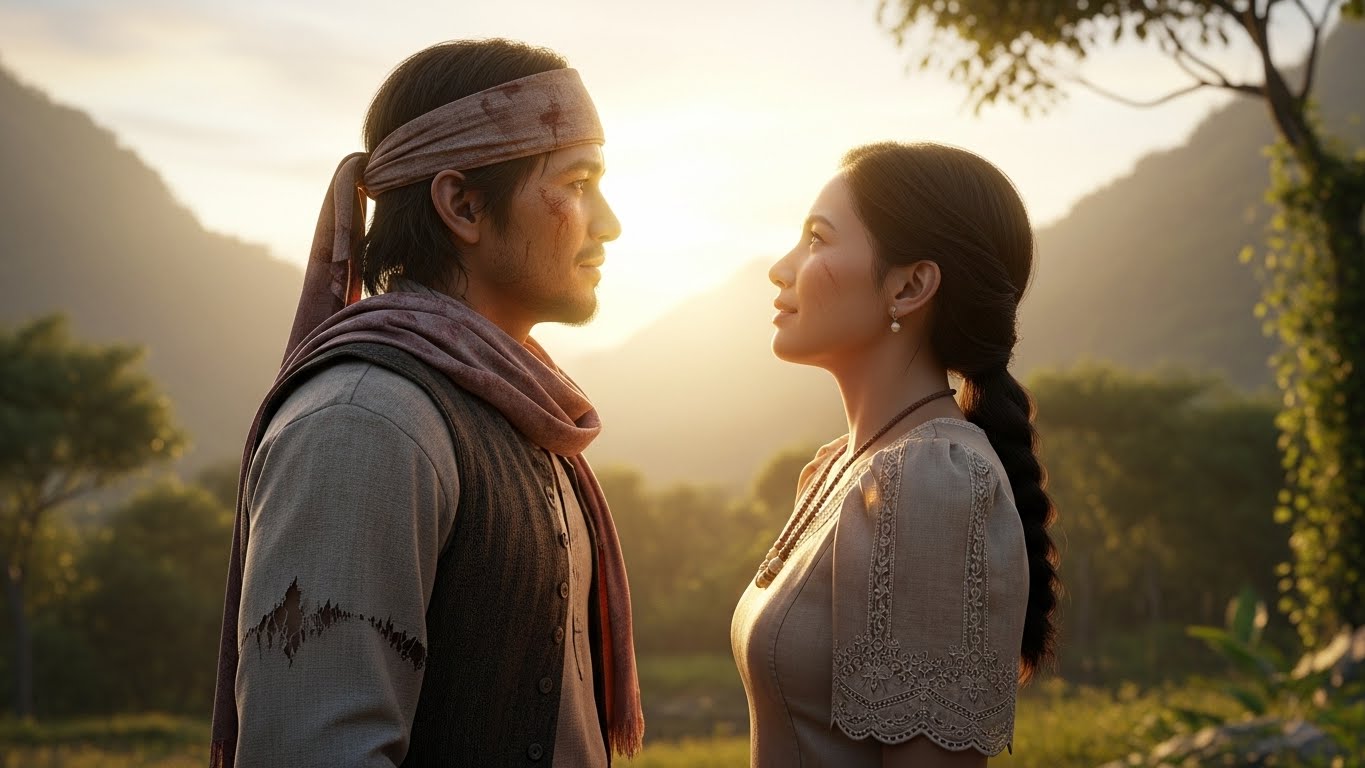
Philippine literature poetry is critical in demonstrating the feelings, faith, and culture of the Filipinos. Poetry was used orally by the Filipinos long before the invention of written texts. It was during rituals, celebrations and story telling meetings that poems were recited. Verse served to keep up the past, values, and conventions.
The Filipino artists were able to reflect on life and national encounters with the offer assistance of beat, symbolism, and imagery. With time, poetry changed according to the historical changes and foreign influences. The emergence of the new forms and languages of poetry and the introduction of new languages in ‘colonials took place.
Contemporary poetry is a mirror of individual problems, communal problems and nationality. The study of Philippine poetry can make the students learn more about the Filipino culture, creativity and depth of emotions.
Sources of Philippine Literature Poetry
In the Philippines, poetry originated in the precolonial era by oral methods. The early Filipinos came up with poems that were about nature, work and community life. These poems were transmitted orally through one generation to the other. The memorization was facilitated by rhythm and repetition.
The music and movement were frequently part of poetry. It was used in rituals, courtship and storytelling. These pre-poetic forms were not based on the written form. They were indicative of native beliefs and values. Literature was developed in the precolonial poems.
Classical Philippine Poetic Forms
The early Filipino cultural and artistic values are manifested in the classic poetic forms. These shapes had certain patterns and themes. They were in many cases brief and memorable. Classical poems were highly centered on knowledge, feelings and life. Most of them were community-based and anonymous. These shapes are still relevant in the study of literature.
The typical traditional forms of poem include:
- Tanaga being wise in brief meaningful four line verses.
- Dalit concentrating upon commendation, devotion and religious meditation.
- Ambahan teaches morals in the form of rhythmic lines of poetry.
- Bugtong asks riddles in the form of a metaphorical poem.
These shapes demonstrate the abundance of early Filipino poetry.
Poetry in the Spanish Period
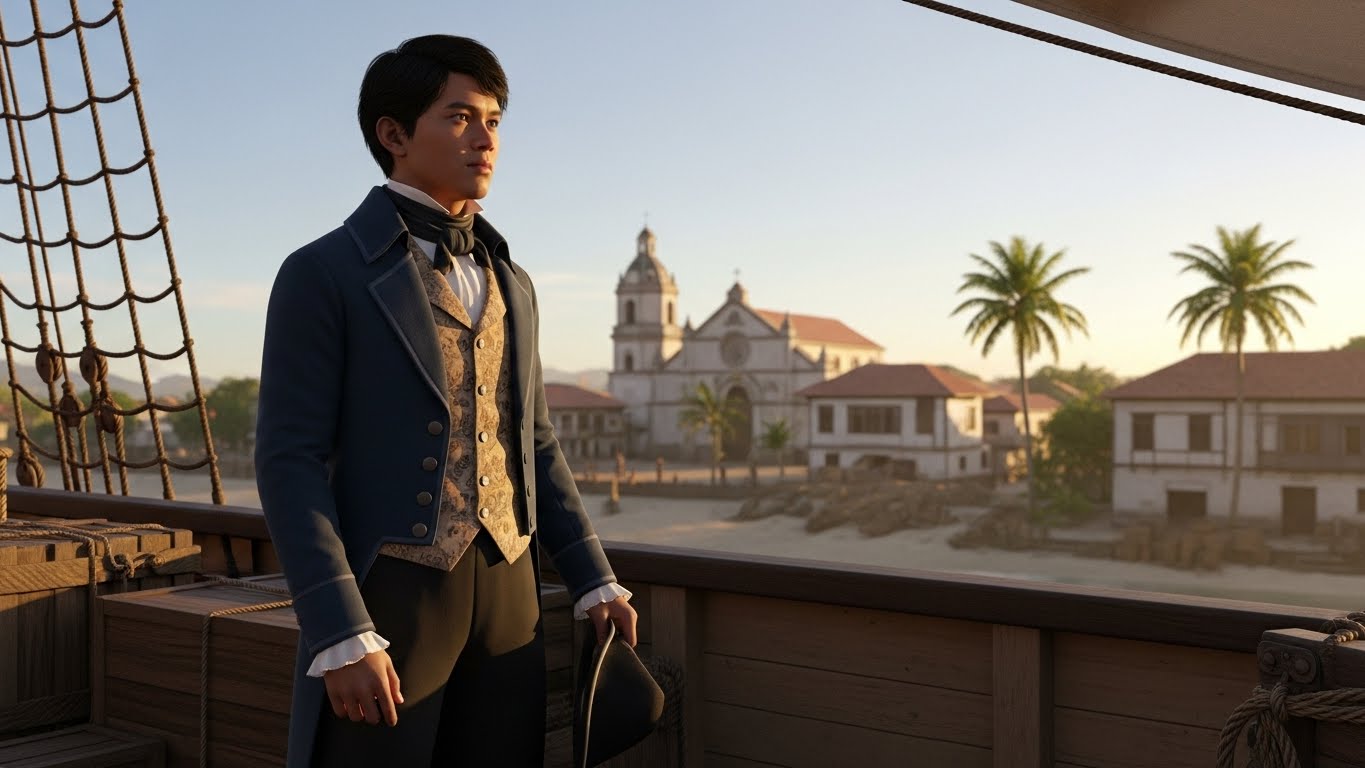
Philippine poetry was highly affected by the Spanish reign. Written poetry was used in Spanish and was introduced by Spanish missionaries in the Roman alphabet. The poetic works were dominated by religious themes. The Christian teachings were being spread using poetry. Poems flattered God, saints and virtues.
Pasyon was developed as one of the common forms of poetry. It was a story of the life and pain of Jesus Christ. There were religious meetings where poetry was recited. Poets communicated in the local language even though there was emphasis on religion. This was the era that influenced the Filipino poetic structure and style.
The American Period of Poetry
The poetry of the American era changed towards the modern themes and styles. Poetical expression came to dominate in English. The Filipino poets were acquainted with the Western literary methods. Poetry was made more intimate and descriptive. Themes were extended to feature freedom, love and identity.
There was a rise in free verse poetry. The poems were about ordinary life and social change. The educational factor contributed greatly to poetic talent as well. Poems were also published in literary journals. This was the dawn of modern Philippine poetry.
A Poem of the Japanese Occupation
The Japanese Occupation provided a difficult setting to the poets. Freedom of expression was suppressed by strict censorship. English poetry degraded during this period. The Filipino languages gained more popularity. Poems embodied pain and hunger and hope. Symbolism was employed in order to escape punishment by writers.
The scarcity of resources led to the creation of short poems. The poems acted as emotional solace in the times of war. It had a silent protest and patriotism. Nevertheless, even with the struggle, poetry survived and was not meaningless.
Philippine Poetry in the Modern Era
Modern Philippine poetry is a representation of the modern Filipino. English, Filipino and regional languages are used to write poems. It has themes such as identity migration and social justice. The form and style of poetry is more experimental. Spoken word poetry is popular among young people. The poets will act in the cafes and online in schools.
The technology enables more dissemination of poetry. The present-day poets are concerned with personal and national issues. In contemporary society, poetry is still relevant. It is always developing in accordance with the times.
Some of the popular Philippine poetry in the contemporary form are:
- Free verse as a manifestation of personal identity and emotional conflicts.
- Spoken word poetry that is delivered at live art events.
- Poetry in which personal experiences are expressed.
- Social protest poetry and political protest poetry.
The adaptability and modernity of poetry are demonstrated by these forms.

Themes Commonly Found in Philippine Poetry
Philippine poetry dwells on themes of life and history of the Filipinos. The major themes include love and family. Nature is an image of a relation to the land. Patriotism emerges when one is in need. Most poems are affected by faith and spirituality. Protest poetry is motivated by social problems. The themes of identity and belonging are still present. Poets are celebrating suffering, hope and strength. Emotional truth is trapped in poetry. The themes are what bind the poetic expression of Filipinos over time.
Language and Style of Filipino Poetry
The use of language is significant in Philippine poetry. The Filipino languages permit emotionality and cultural reflexivity. English gives it international scope and literary experimentation. The concept of code switching is found in modern poems. The language is adjusted to the purpose and audience by poets. Style is either structured or free form. Meaning is enhanced by imagery symbolism and metaphor. The everyday Filipino patterns of speech are reflected in poetry. Language is put to work as a creative instrument. Style is a manifestation of both the conventional and the new.
The Learning Worth of Reading Philippine Poetry
The study of Philippine poetry helps learners intellectually and culturally. Poetry enhances reading and comprehending. It builds emotional intelligence and empathy. Learners are taught history with the help of poetic voices. Poetry stimulates innovations or creative thinking and expressing. It enhances cultural identity. Poems present literary means and techniques. Poetry is an avenue of imparting values in education. Poetry relates feeling to learning. It is still a necessary component of the study of literature.
Conclusion
Philippine literature consists of poetry which embodies the spirit of the people of the Philippines. Poetry is dynamic to society, from oral to contemporary spoken-word poetry. It retains the values of history and the expression of feelings. Poetic styles and themes were influenced by different times. The variety of languages adds to the creativity of the poems.
Poetry is a reaction to societal transformation and life. It is applicable in learning and culture. Philippine poetry is studied to make students aware of the national identity. Poetry still encourages strength and innovation. The tradition of Filipino poetry is alive and well.
Discover the roots, voices, and living soul of Filipino identity by exploring more in-depth lessons and articles on Philippine literature at lapisatpapel.com
Author Profile

Latest entries
 Maikling KwentoJanuary 14, 2026Character Analysis of Noli Me Tangere: Ibarra, Maria Clara, and the Antagonists
- EpikoJanuary 13, 2026Character Analysis of Florante at Laura: Heroes, Villains, and Moral Lessons
- BlogJanuary 13, 2026Short Stories in Philippine Literature Explained
- BlogJanuary 11, 2026Poetry in Philippine Literature: Forms and Examples