Philippine literature Short stories are an important kind of prose writing that presents ideas, feelings, and experiences of Filipinos in a small format. The emergence of English education and printed publications led to popularization of this literary genre in the period of America. Short stories enable authors to have a chance to discuss social problems, individual conflict and cultural identity in a concise yet highly effective manner.
They are open to any reader regardless of age and are still a key element of the Filipino literary tradition. Writers maintain the past, provide commentary on life, and entertain through the use of short stories. The study of short stories assists students in realizing the expressive creativity of the short story as well as the social background of the Philippines. This article provides an explanation on the form, theme and significance of short stories within Philippine literature.
Historical Background of Short stories
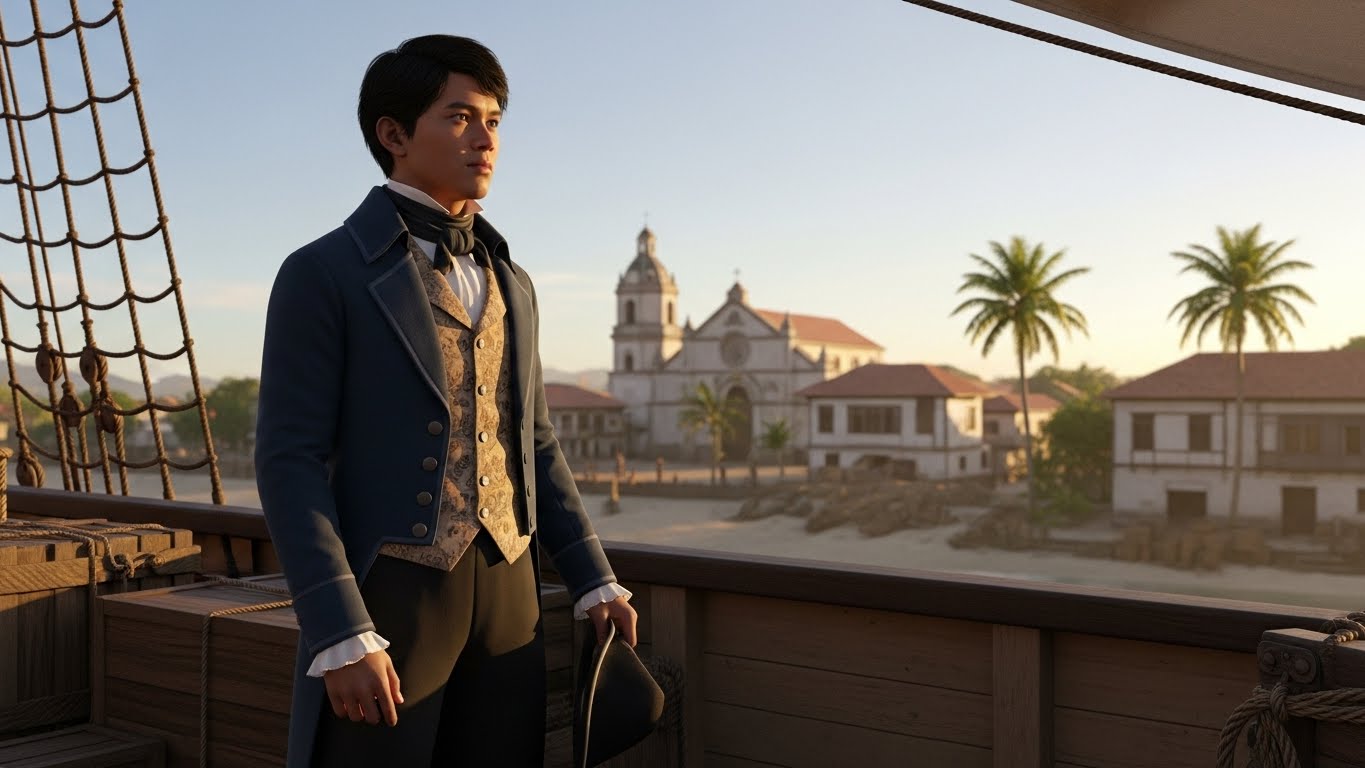
The American period was very bright as the short stories gained popularity in the Philippines. Filipino writers were given chances through English education and publication of newspapers. A lot of preliminary stories appeared in magazines and school papers. These were stories of Filipino life under the influence of the colonialists.
Authors discussed social life, everyday life and morals. The form of the short story enabled the experimentation on style of narration. Its conciseness caused it to be published in the papers. With time, short stories were used as a form of cultural expression and social commentary. This era was the basis of the contemporary Philippine short stories.

Specific Language in Short Stories
The Philippine short stories are written in English, Filipino and regional languages. The English stories were introduced to the urban readers and world viewers. The local experience and cultural identity were preserved by Filipino and regional languages. The authors tend to mix languages in order to depict a realistic speech pattern.
The use of language is determined by the purpose and audience. Multilingualism improves the literary style. Filipino writers are flexible as shown through short stories. They strike a balance between general themes and the local context. The diversity is guaranteed by language diversity which provides accessibility and cultural relevance.
Themes in the Philippine Short Stories
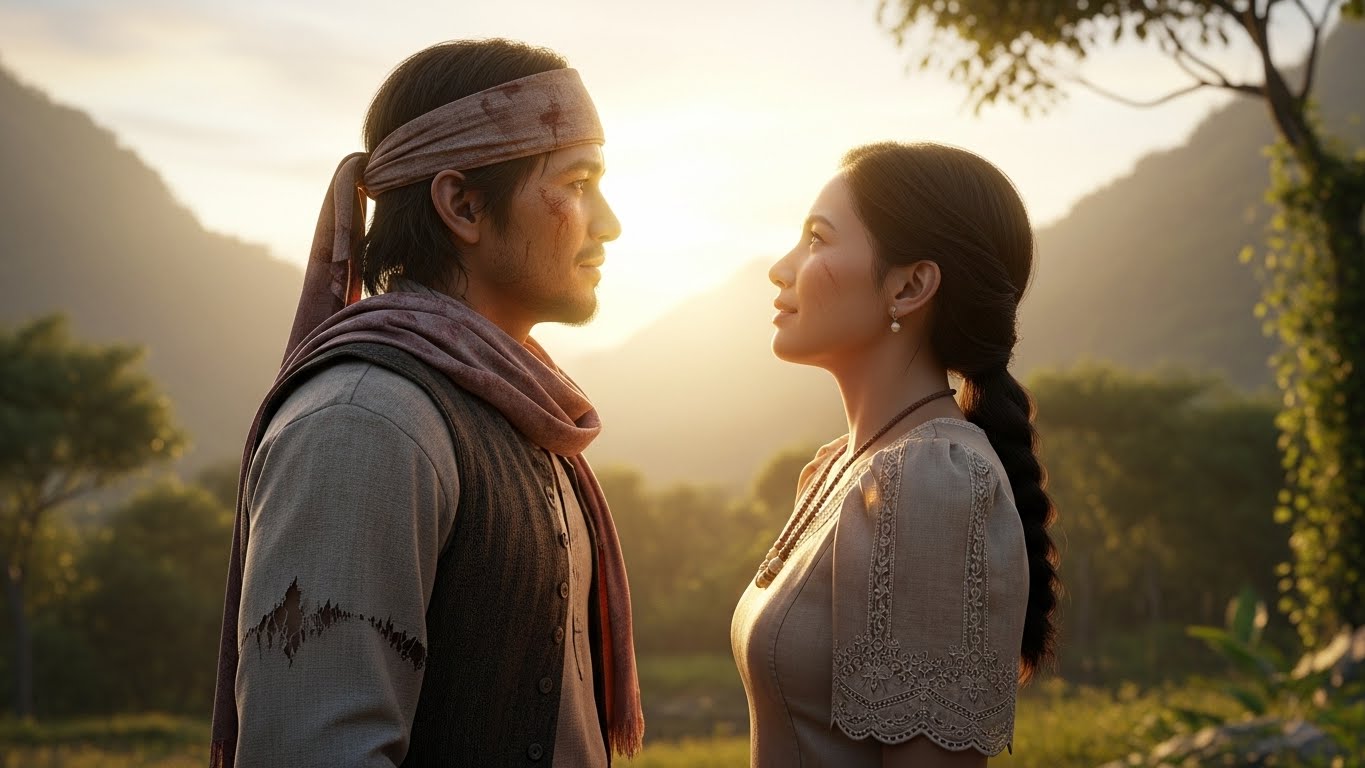
The themes covered by short stories are very numerous. Authors are concerned with such social problems as poverty, morale, and corruption. Family and relationships are represented often. Various pieces of work contain identity, tradition and nationalism. It is love, hope and resilience that keep on reoccurring.
They are all about everyday experience and human feelings. Moral lessons or reflections are common in the stories. Themes are inspired by war and historical events. Authors employ both individual and societal experiences in order to produce stories with a meaning. The short stories make the readers relate to the Filipino values and realities.
Forms of Short Story Which Are Popular
The short stories differ in their form, structure and style. Authors change format to suit theme and readership. There is freedom of narration and point of view in the genre. The characters are created in a rush, though they are remembered. The plot concentrates on conflict and resolution in a small size. Contemporary short stories can be stylistically and linguistically experimental. This improvability makes the genre dynamic.
The most prominent types of short stories are:
- True to life tales that depict social issues and normal life.
- Events in the history of the Filipinos are evident in historical stories.
- Stories with allegorical meaning of moral or political lessons.
- Stories that were told in unusual narratives or points of view.
These characters express the flexibility of the short story genre.

Short Stories and Their Contribution to Education
In the Filipino education, short stories are significant. They enhance reading comprehension and critical thinking. Students are taught literary techniques and methods. Moral values and social lessons are brought about through stories. Short stories are simple to read but meaningful. They promote understanding and multiculturalism.
Tales are frequently used in literature classes to describe history and civilization. Short stories relate classroom education to reality. They give examples of Filipino creativity and expression. The genre is still indispensable in the study of literature.
The Filipino Short Story Writers
Numerous Filipino writers made a tremendous contribution to the short story school. Some of the most influential are Jose Garcia Villa, Nick Joaquin and Paz Marquez Benitez. Their works influenced contemporary Philippine literature. Short story traditions were also contributed by writers of other areas.
Modern authors are still discussing urban life, migration, and social change. Women authors are becoming more and more varied in their views. Young and new authors have short stories as their platform. These authors make sure that the genre develops and it represents the contemporary realities. Their publications are inspirational to the readers and aspiring writers.
Short Stories: Social Commentary
The Filipino society and challenges are highly reflected in short stories. Authors deal with social inequality, political and moral dilemmas. Literature is a reflection of Filipino life. Narratives reveal wrongs and make one think. Symbolism and allegory help writers to bring out other messages.
Short stories permit covert criticism under limited settings. They record the past and present problems. This role brings to the fore the role of literature on other matters in addition to entertainment. Stories teach, get one thinking, creating cultural awareness. Short fiction is still a means of introspection and transformation.
Conclusion
Philippine literature of short stories is an effective medium of expression. They use shortness and richness to examine the Filipino life, feelings, and culture. This genre has developed as an extension of precolonial oral forms of the modern experimentations. There are stories that deal with personal, social and historical issues.
Diversity of language increases availability and richness. The relevance of the genre has been guaranteed through education, publications, and writers. Filipino creativity, strength, and identity can be traced in their short stories. The study of this genre will enable the students to learn literary devices as well as the context of the society. Philippine short stories are still a part of a literary tradition and cultural legacy.
Discover the roots, voices, and living soul of Filipino identity by exploring more in-depth lessons and articles on Philippine literature at lapisatpapel.com
Author Profile

Latest entries
 Maikling KwentoJanuary 14, 2026Character Analysis of Noli Me Tangere: Ibarra, Maria Clara, and the Antagonists
- EpikoJanuary 13, 2026Character Analysis of Florante at Laura: Heroes, Villains, and Moral Lessons
- BlogJanuary 13, 2026Short Stories in Philippine Literature Explained
- BlogJanuary 11, 2026Poetry in Philippine Literature: Forms and Examples