Philippine literature is used as a representative of the people of the Philippines. It is their history, beliefs, struggles and dreams that span various generations. Filipinos are emotive, and it is through narratives, poems, and plays that they articulate feelings culturally-infused and experience-based feelings.
The development of literature in the Philippines was through oral literature before it evolved into written literature. The foreign influences over time blended with the local creativity. This generated a rich and significant literary heritage. Philippine literature assists the readers to comprehend the social values and nationality.
It is also an eye into the way Filipinos were reacting towards change and challenge. The deeper one can appreciate its purpose by studying its foundations. The past and the present are united through literature. It is still an effective means of education, expression and cultural preservation among the Filipinos in the present day society.
The Philippine Literature Defined
Philippine literature entails every literary piece by the Filipinos. These literary works can be oral or written. They articulate Filipino living, culture and values. The way people think and feel is reflected in literature. It consists of poetry, prose, drama and folklore. Stories are told differently in all forms. Philippine literature is historically and environmentally determined.
It is in reply to social facts and individual experience. Family, faith, and freedom are some of the things that the writers emphasize. Literature is a journal of national memory. It upholds traditions and beliefs. Philippine literature is also responding to modern times. It is still developing new voices. Filipino identity continues to exist through literature.
Pre Colonial Literary Traditions
The Filipinos already had a rich literary culture even before colonization. The literature was dominated by oral matter. Tales were told in society. Knowledge was transferred to the young generation. These narratives gave an explanation of nature and human actions. The oral literature reinforced the values of the community.
Theatrical performances were a way of life. There was the use of literature in rituals and meetings. The memory and voice were used to express creativity.
- The pre colonial literary forms were common and included.
- Creation myths and explanations of natural events.
- Myths of the origins of places and mythical heroes.
- Epics praising loyalty to courage and leadership.
- Work love lamentations and joyful songs are brought forth in folk songs.
- Proverbs educates morality of wisdom and conduct in society.
These influences influenced the early Filipino identity. They were the precursors of subsequent written literature.

Influence of Spanish Colonization on Literature
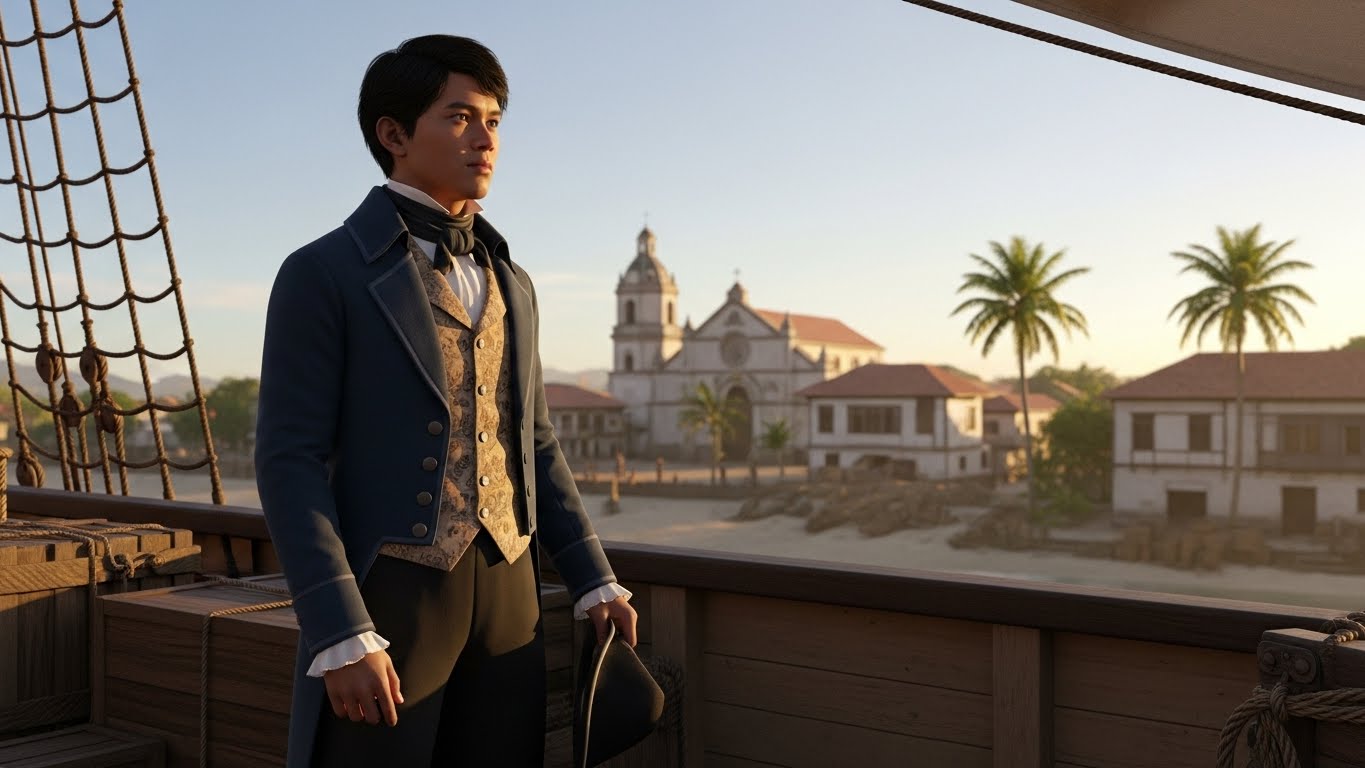
Philippine literature was transformed in Spanish colonization. Written traditions were developed at the expense of oral traditions. Thematic contents were taken over by religious themes. Written texts were introduced by missionaries. Christianity was taught using literature. The Roman alphabet was used.
Religious materials were distributed through printing presses. The initial productions were primarily prayers and plays. The Filipinos were short of voices during this era. Literature however gradually became an expression space. Authors started to discuss identity and opposition. Religious drama came into vogue. Faith and obedience were reflected in poetry.
The Spanish influence influenced the structure and the language. This was the period that changed the expression of literature. It introduced the written Philippine literature.
American Period and Literary Development
The American era was a time of new prospects to Filipino writers. English became widely used. Education spread all over the nation. Literature was made more available. Authors experimented with the themes and style. The short stories and essays became popular. Freedom of expression was enhanced.
In literature, there was a reflection of social issues and life. Authors were taught democracy values. Books were favourable to the literary imagination. International exposure was accorded to Filipino writers. Literature took the form of modernity and variety. This style promoted realism. Authors concerned themselves with identity and independence.
The modern literature in the Philippines has been shaped with the influence of Americans. It enabled the Filipino voices to be heard internationally.
Philippine Literature Language Diversity
In Philippine literature, language is significant. There are numerous local languages in the Philippines. Authors use language depending on intent and recipients. There are pieces of literature that are in Filipino English, Spanish and in regional languages. Both languages create cultural layers. Local identity is put up in regional literature.
English gives the opportunity to communicate in an international way. Filipinos enhance patriotism. The language is a mirror of historical influence and imagination.
- The use of language in important roles involves.
- Maintaining cultural identity by use of indigenous language.
- Sharing the experiences and the views of the regions.
- Reaching more readers using national and international languages.
- Referring to the colonial history and cultural tendencies of the modern world.
- Influencing the tone style meaning and emotional attachment.
The diversity of language empowers Philippine literature. It enhances narration and maintains history.

Filipino Values and common Themes
The Filipino values are evident in Philippine literature. The family relationships can be seen regularly. Respect and loyalty is highlighted. Faith plays a major role. Authors discuss the sacrifice of love and hopefulness. There were numerous themes that were affected by colonialism. Ordinary topics include resistance and freedom.
Social inequality is emphasized in literature. The writers act as representatives of underprivileged voices. Moral lessons are often taught in stories. Characters demonstrate strength and boldness. Community support is valued. Literature is a reflection of real life. These themes bring emotional attachment.
They make readers know about Filipino culture. Values that were transmitted by way of literature can still be used today.
Reasons Why Philippine Literature Should Be Studied
Philippine literature is significant in the study of national awareness. It is a creative way of teaching history. Social realities are manifested in literature. Students acquire skills of critical thinking. Language is enhanced through reading. Literature provokes sympathy and thought.
It brings the generations together by the means of stories. It makes cultural identity more powerful. Diversity can be comprehended through literature. It encourages the value of heritage. Authors create social change. Literature stimulates innovation. It maintains memory in a group. Knowledge of literature develops dignity and honor.
Philippine literature is still fundamental in education and society.
Conclusion
The Filipino identity and history is reflected by the Philippine literature. It started with oral cultures that were based on people’s lives. New forms and languages were brought about by colonization. Every era influenced the forming of literature. The variety of the language enhances expression. Values and struggles were reflected in the themes.
Literature was taken to be the voice of the people. It helped to conserve culture and memory. The study of its foundations enhances enlightenment. Philippine writing evolves up to date. It still is a strong icon of imaginative tenacity and patriotism.
Discover the roots, voices, and living soul of Filipino identity by exploring more in-depth lessons and articles on Philippine literature at lapisatpapel.com
Author Profile

Latest entries
 Maikling KwentoJanuary 14, 2026Character Analysis of Noli Me Tangere: Ibarra, Maria Clara, and the Antagonists
- EpikoJanuary 13, 2026Character Analysis of Florante at Laura: Heroes, Villains, and Moral Lessons
- BlogJanuary 13, 2026Short Stories in Philippine Literature Explained
- BlogJanuary 11, 2026Poetry in Philippine Literature: Forms and Examples